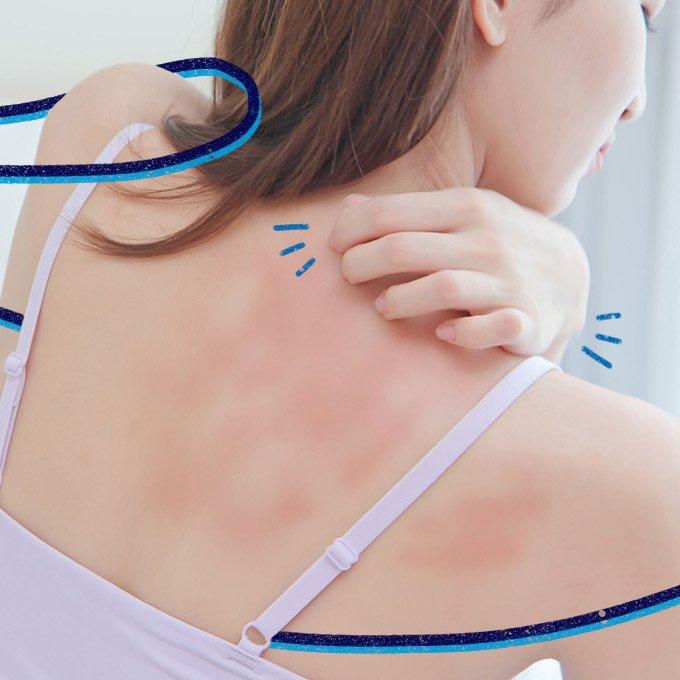

Let's help you understand allergies
Allergies occur when your immune system reacts to something that’s usually harmless, for instance, animal fur or pollen. Allergies can range from mild to severe.
At Boots, we've got products & services to help you manage your allergies.

Types of allergies
There can be many different triggers for allergies. Here, we talk you through some of the most common allergies, including signs and symptoms, and how to manage them.
Managing allergies at home
There are a number of allergies that are more likely to affect you or your family in the home, for instance mould, house dust mite and pet allergies.
Here are some top tips for managing allergies in the home that are relevant for many different types of allergies.
-
Regular cleaning: whether you experience hayfever, house dust mite, pet or mould allergies, keeping your home clean can help you manage your exposure to the allergens. Using a vacuum with a high HEPA filter which helps to prevent allergens escaping once you’ve used it can help, and ensuring you vacuum soft furnishings and wash covers is also beneficial.
-
Consider ventilation: warm, moist environments can encourage mould growth, as well as house dust mites, so think about opening windows to help air flow and using extractor fans in areas like kitchens and bathrooms. However, if you suffer from hayfever, opening windows when the pollen count is high isn’t recommended.
-
Air purification system: these can help with a number of airborne allergens but can be particularly useful in the case of hay fever where it’s not helpful to open windows to improve ventilation. Air purification systems can help to capture allergens, dust and bacteria to help reduce allergy symptoms.
-
Think about your flooring: hard wood floors are generally better than carpets or rugs, as allergens are more easily removed from hard wood floors. If it’s not possible to switch to wooden floors, vacuum carpets and rugs daily and steam clean monthly.
-
Choose allergy-appropriate products: this can include mattresses and covers for soft furnishings that are designed to help reduce allergy symptoms.
-
Make sure you have medication to hand: whether this is antihistamines for milder allergies, topical products for bites or stings or an adrenaline auto-injector for more severe reactions, make sure you know exactly where your medication is within the home and ensure it’s easy and quick to access when needed. If you use adrenaline auto-injectors, you should ensure you have at least two with you at all times and that you’ve been shown how to use them safely. Anyone who suffers from severe allergies should always carry two adrenaline auto-injectors with them. If you’ve previously been prescribed an adrenaline auto-injector and taught how to use it, you may be able to access anaphylaxis treatment through Boots Online Doctor2.
Children & allergies
Childhood allergies are now fairly common; in the UK, 40% of children have been diagnosed with an allergy.
The most common childhood allergies are:
- Food allergies, you can read more about food allergies in children and babies here
- Eczema
- Asthma
- Hayfever
Childhood allergies can be upsetting for children and their parents, but support is available. If you suspect your child has an allergy, speak to your GP who will be able to advise you of any appropriate tests and what the next steps are. \
Children at risk of anaphylaxis are often prescribed adrenaline auto-injector devices to carry with them at all times. If your child has a severe reaction, use the adrenaline auto-injector device (if they have one) and call 999 for an ambulance immediately.
Symptoms of anaphylaxis in children include:
- Swelling in the throat and/or around the airway
- Difficulty breathing
- Wheezing (like an asthma attack)
- Feeling faint or dizzy
In the case of less severe allergic reactions, your GP or Boots pharmacist might recommend antihistamine medications or allergy products suitable for children, including nasal sprays. You can browse the range of products available for children's allergies here.
For more information and support for childhood allergies, visit Allergy UK.
Travelling with allergies
Travelling when you have an allergy can pose some additional challenges, but with advance planning, you can make travelling as stress-free as possible.
Here are some top tips you might want to consider:
1. Translation cards: if you’re travelling to somewhere where you don’t speak the language, translation cards can be very useful in communicating what it is that you’re allergic to, for instance at your hotel or in a restaurant.
2. If travelling by plane contact your airline in advance: if you have a food allergy, air travel can be daunting. Check the airline’s policy on food allergies before you book flights and contact the airline once you’ve booked your flights to let them know. It’s also a good idea to remind airline staff about your allergy as often as possible when you travel.
3. Ensure you have enough medication: before you travel make sure you have enough medication with you, and make sure it’s accessible. This is particularly important if you use an adrenaline auto-injector. If you’ve previously been prescribed an adrenaline auto-injector and taught how to use it, you may be able to access anaphylaxis treatment through Boots Online Doctor2. It’s also important to check the rules around the types and maximum quantity of medication you can take with you if travelling abroad. The NHS has more advice on things to consider when travelling with medication here.
If you suffer from hayfever there are several ways you can help manage hay fever symptoms. This includes self-management methods, like using a barrier product such as petroleum jelly, such as Vaseline or Boots Baby Petroleum Jelly around your nostrils to trap pollen or showering and changing your clothes after you have been outside, to wash pollen off.
You should take some over-the-counter products with you when travelling that may help relieve symptoms including:
Sometimes people may find that a hay fever regime where they use a combination of treatments may work best for them. This can help to ease different types of symptoms. For instance, antihistamines can help ease sneezing eye symptoms and an itchy, runny nose. But to help treat congestion in the nose, a steroid nasal spray is more effective.
4. Consider preventative measures: this can include thinking about how to prevent insect bites when travelling abroad. As well as insect repellents, you could also consider plug-ins which help to reduce the risk of bites and stings whilst in your holiday accommodation.
5. Know what emergency services are available: it’s a good idea to know in advance what the number for the emergency services is in the location you’re visiting, as well as where the nearest emergency department is.