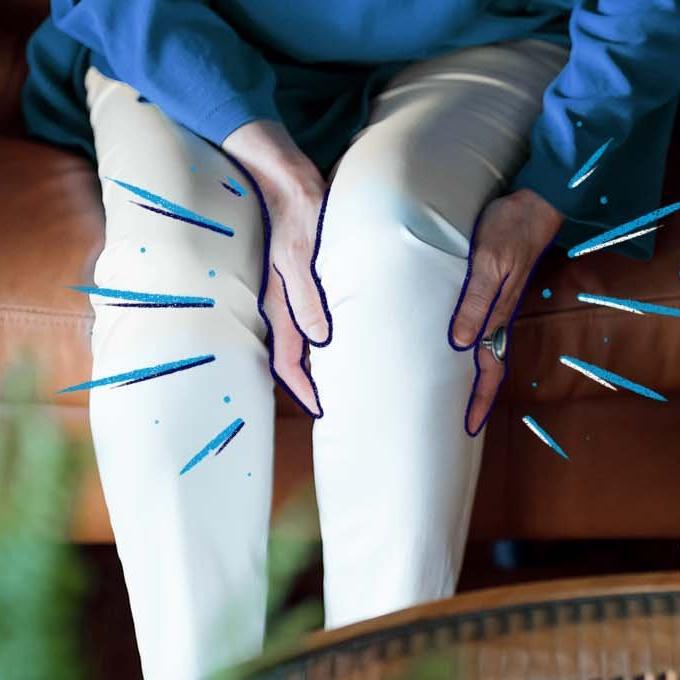

Let's help you understand musculoskeletal pain
There are many types of MSK pain and while a complete cure for the pain might not be possible, there are treatments which can help the symptoms.
At Boots, we've got advice, products & services to help you understand & manage musculoskeletal pain.

NOTE: This article/page uses the terms ‘male/man/men’ and/or ‘female/woman/women’. Please note, this is in reference to the sex assigned at birth.
Types of musculoskeletal pain
Your musculoskeletal (MSK) system lets you run, sit, walk and move. It’s made up of bones, muscles, ligaments, tendons, nerves and soft tissues. MSK pain can be short-term or long-term and can be caused by daily wear and tear, accidents, poor posture, repetitive motions and health conditions.
MSK pain can be felt in one area of the body like your back, or it can spread across your body, for example, if you have a condition like fibromyalgia. You can learn more about fibromyalgia in the “Musculoskeletal conditions” section of the page.
Different terms are used for different types of pain:
- Acute pain – short-term pain like a sprained ankle
- Persistent or chronic pain – long-term pain like arthritis
- Intermittent or recurrent pain – pain that comes and goes like a toothache
There are several types of MSK pain. The most common types include:
- Bone pain
- Joint pain
- Muscle pain
- Tendon and ligament pain
Bone pain
Bone pain can be caused by injuries like bone fractures. In rare cases, a tumour might cause bone pain.
Joint pain
Joint pain is often accompanied by stiffness and inflammation. For lots of people, rest helps their pain, however movement and activity can make it worse.
Muscle pain
Muscle pain can be caused by muscle spasms, cramps and injuries. Some infections or tumours can also cause muscle pain.
Tendon and ligament pain
Tendon or ligament pain can be caused by sprains, strains and injuries like overuse injuries.
Make sure to speak to your GP if you have any unexplained pain or if your pain is interfering with your daily activities. It’s important to get a diagnosis so you can get the right treatments and make any required lifestyle changes.
Sleep & pain
Pain can affect your sleep in different ways. Some people find it difficult to get to sleep, stay asleep or both. You might find the pain may hinder your sleep, or maybe worrying about it can prevent a restful night. The amount of sleep you need depends on various factors:
- Physical health
- Emotional health
- Social demands
- Age
- Sex
- Lifestyle
- Work
We’ve got advice and products to help you drift off and get a better night’s sleep.
Understanding the pain cycle
The pain cycle helps to show the problems that can happen when you live with pain. It can be very common for one problem to lead to another problem which can trap you in a constant cycle. This cycle can make you feel like your pain is getting worse. Breaking or changing this cycle can help you manage your pain, so you can improve your quality of life. You can find some ways to manage your pain in the “Treatment & support” section of the page.
You might begin to recognise warning signs that your pain is about to flare. Knowing and understanding these triggers can help you to feel more in control. There might also be certain things that make your pain worse. Taking steps to avoid these can help to reduce pain flare-ups.
Musculoskeletal conditions
Many people live with MSK conditions which often cause pain, like back pain or arthritis. Other conditions include:
Joint hypermobility
Joint hypermobility means that your joints might have an unusually large range of movement. If you have hypermobility, you might find that you can move your limbs into positions that some people might not be able to. You might hear of it being referred to as having “loose joints” or being “double-jointed”. Joint hypermobility is common, especially in children and young people. Having hypermobile joints doesn’t always cause problems, for example, ballet dancers and gymnasts might actually find the extra movement beneficial. If you have joint hypermobility and other symptoms, this is known as joint hypermobility syndrome (JHS). Symptoms can include:
- Pain and stiffness in joints and muscles
- Clicking joints
- Joints that dislocate easily
- Feeling extremely tired
- Having recurring injuries like sprains
- Dizziness and fainting
- Stretchy or thin skin
- Digestive problems like constipation
JHS is now thought to be a feature of Ehlers-Danlos syndrome. Joint hypermobility can be inherited so it often runs in families. One of the main causes is thought to be changes to a type of protein which is called collagen. Collagen is found in different parts of the body like your skin and ligaments. If your collagen isn’t as strong as it should be, this can make your joints and ligaments loose, making them extend further than usual. You might not always need any medical treatment or support if you have hypermobile joints, but JHS is normally more difficult to manage as it causes a wide range of symptoms. Controlled exercise and physiotherapy can help with JHS. We’ll be going through ways to help manage the pain in the “Pain self-management” section of this page.
Fibromyalgia
Fibromyalgia is a condition that can cause pain all over your body. Anyone can have fibromyalgia, but it’s more common in women than in men. As well as body-wide pain, other symptoms can include:
- Muscle stiffness
- Having a higher sensitivity to pain
- Difficulty getting to sleep or staying asleep
- Problems with concentrating or remembering things
- Headaches
- Feeling frustrated, worried or having a low mood
If you think you have fibromyalgia, it’s important to speak to your GP. They can help you manage your symptoms. The cause of fibromyalgia isn’t fully known, but it’s thought to be connected to having irregular levels of some chemicals in your brain. This can change the way your body processes pain. In some cases, fibromyalgia can be triggered by things like injuries, stress or an infection. It’s also been suggested that some people are more likely to develop fibromyalgia if their parents have it.
Arthritis
Arthritis is a common condition which can cause inflammation and pain in a joint. There are lots of different types of arthritis and the symptoms you have depends on the type you have. Speak to your GP if you’re concerned or have any of the following:
- Weakness and muscle wasting
- Joint pain, tenderness and stiffness
- Inflammation in and around your joints
- Restricted movement of the joints
- Warm red skin over the joint (this may be harder to see in brown or black skin)
Pain self-management
Although there may not be a cure for MSK pain currently, there are ways to self-manage your pain. Research has shown that pain management strategies can help improve your quality of life. Things you can do to help include:
- Remaining physically active
- Prioritising and pacing your activities
- Talking to friends and family about how they can support you to stay active and mobile
- Using meditation or relaxation techniques to help improve your mental health
- Improving your sleep
- Speaking to your workplace about ways to adapt your role or your work environment
Pacing
Pacing is a technique which helps to manage chronic pain and it can involve taking breaks before you need to take breaks. The aim of pacing isn’t to stop the activities that you like doing, it’s about maintaining an even level of activity levels throughout the day.
Pacing involves:
- Taking lots of short breaks
- Slowly increasing the amount of activity you do
- Breaking up your activities or tasks into smaller bits
Goal setting
Having MSK pain can mean that you do less. Goal setting is all about looking at what you want to be able to do and then working towards achieving those things. It’s a strong way to help improve your quality of life and sense of control. It’s key to make sure your goals are personal to you and make you feel good. Some examples of goals could be:
- Walking to the end of the street and back
- Returning to work
- Going for your weekly food shop
Try to make your goals specific so they can be broken into smaller steps. Each goal needs to be met before moving on to the next goal.
Try to make your goals SMART:
- Specific – make your goals clear
- Measurable – make sure you know if they’ve been achieved
- Achievable – make sure you are capable of doing the tasks you’ve set yourself
- Realistic – make sure you will do the goal
- Timely – make sure it’s the right time to do your goal and set yourself a time limit
Treatment & support
If your pain is interfering with your daily activities, there many different services that can help.
GP
It’s important to get a diagnosis so that you can use the right treatments and make any required lifestyle changes. Your GP might suggest that you try some medicines for short-term pain relief. If appropriate, your GP might also suggest ways to help you stay active. It’s important to remember that these are usually not considered the main way to manage long-term pain.
Support groups
There’s lots of self-help advice available from different organisations that support people living with long-term pain. These include:
Some organisations run helplines and groups where you can meet other people.
Pain clinics
If you’re struggling to manage your pain, you can ask your GP to refer you to a specialist pain clinic. Pain clinics aim to help you with self-help skills which can help you to control your pain. Some people who are receiving treatment at a pain clinic may be offered a pain management programme (PMP). The aim of a pain management plan isn’t to reduce your pain, it’s to help improve your quality of life, despite the pain. The sessions can include:
- Relaxation and mindfulness
- Gentle exercise
- Tips on how to manage any emotions that are linked to your pain
- Tips on pacing yourself and setting goals