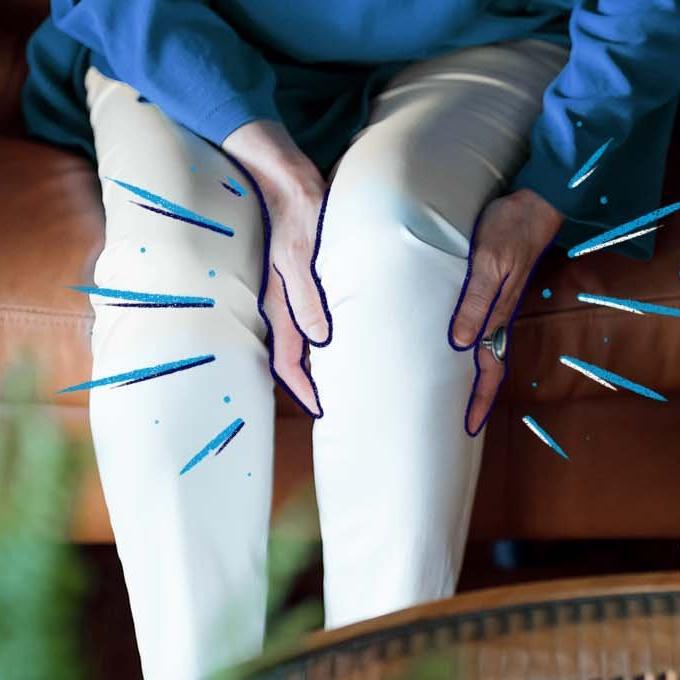

What is sciatica?
Sciatica is a common condition that causes pain, tingling or numbness that spreads from your bottom and down into one leg, including your foot and toes. It happens when the sciatic nerve (the largest nerve in your body that runs from your lower spine to your feet), becomes irritated or compressed. |

Symptoms & causes of sciatica
Symptoms of sciaticaSciatica can feel different for everyone, but it most often affects your bottom, the back of one leg, and sometimes your foot or toes. The pain usually travels down the line of the sciatic nerve, rather than staying only in your bottom. Common symptoms can include:
For some people, symptoms appear suddenly. For others, they build up slowly over time. The pain is often worse when you move, cough or sneeze. You may also experience back pain, but it’s usually less severe than the pain in your leg. Other changes you might notice include:
It’s important to know that if you only have back pain without leg pain, it’s unlikely to be sciatica. |
What causes sciatica?
Sciatica happens when the sciatic nerve (the long nerve that runs from your lower back down to your feet), becomes irritated or compressed. This irritation is usually caused by inflammation or pressure on the nerve.
The most common causes of sciatica include:
- A slipped disc – when one of the soft cushions of tissue between the bones in your spine pushes out. This can press on the sciatic nerve and is the most frequent cause of sciatica. Slipped discs are more likely as we get older
- Spinal stenosis – when the space in your spine where the nerves pass through becomes narrower, placing pressure on the sciatic nerve
- Spondylolisthesis – when one of the bones in your spine slips out of position and irritates the nerve
- Back injuries – trauma or strain to your spine can sometimes trigger sciatica symptoms
In most cases, symptoms improve with time. Nerves are resilient, and as inflammation settles or disc changes heal, the sciatic nerve usually recovers.
While sciatica can be painful and feel frustrating, remember that for many people, it can be temporary and manageable with care, lifestyle tips and support.
Diagnosing sciatica
If you think you may be experiencing symptoms of sciatica but are unsure that it is, the first step is to see a healthcare professional like a GP. They’ll take time to talk to you about your symptoms, how they started and how they’re affecting your daily life.
A physical examination is usually part of the assessment. This may include:
- Checking your range of movement in your back and legs
- Testing muscle strength and reflexes
- Looking at how certain movements affect your pain or symptoms
This helps your healthcare professional rule out other conditions and confirm whether your pain is likely to be caused by irritation of the sciatic nerve.
Managing sciatica pain
Living with sciatica can feel frustrating, especially if pain keeps coming back. There are lots of everyday steps you can take to help ease discomfort and support your recovery. Most people improve within weeks or months, and staying proactive can make a real difference.
Treating sciatica
Most people with sciatica recover over time, often within a few weeks to a few months. It’s important to keep moving, pace yourself and give your body space to heal. While it can be painful and frustrating, there are ways to ease discomfort and help your recovery.
Preventing sciatica
Sciatica can’t always be avoided, but there are many steps you can take to lower your risk and support your back health. Some risk factors, like age or genetics, can’t be changed but many of the things that influence sciatica are lifestyle-related, which means you have opportunities to take control. Lifestyle factors that can make a difference |