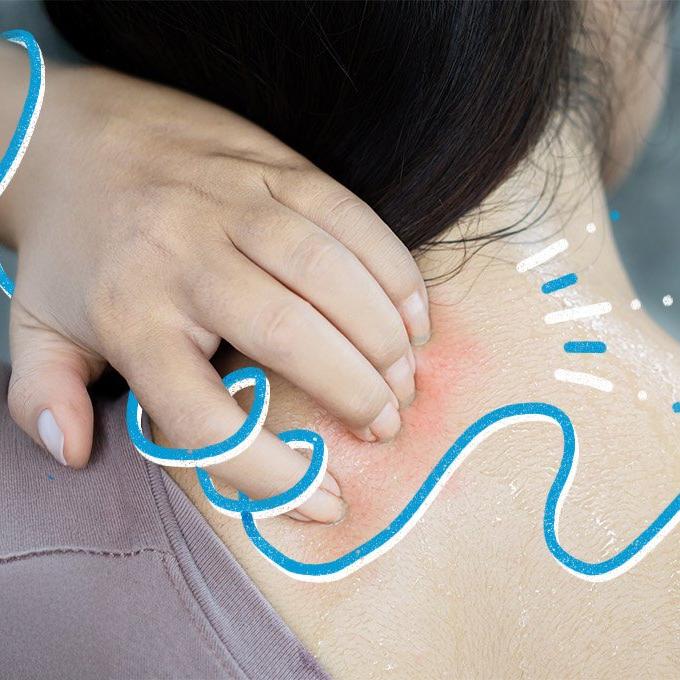
Don't
- Cut grass or walk on grass
- Spend too much time outside
- Keep fresh flowers in your house
- Smoke or be around smoke
- Dry your clothes outside (they can catch pollen)
- Allow pets into the house (they can carry pollen inside)
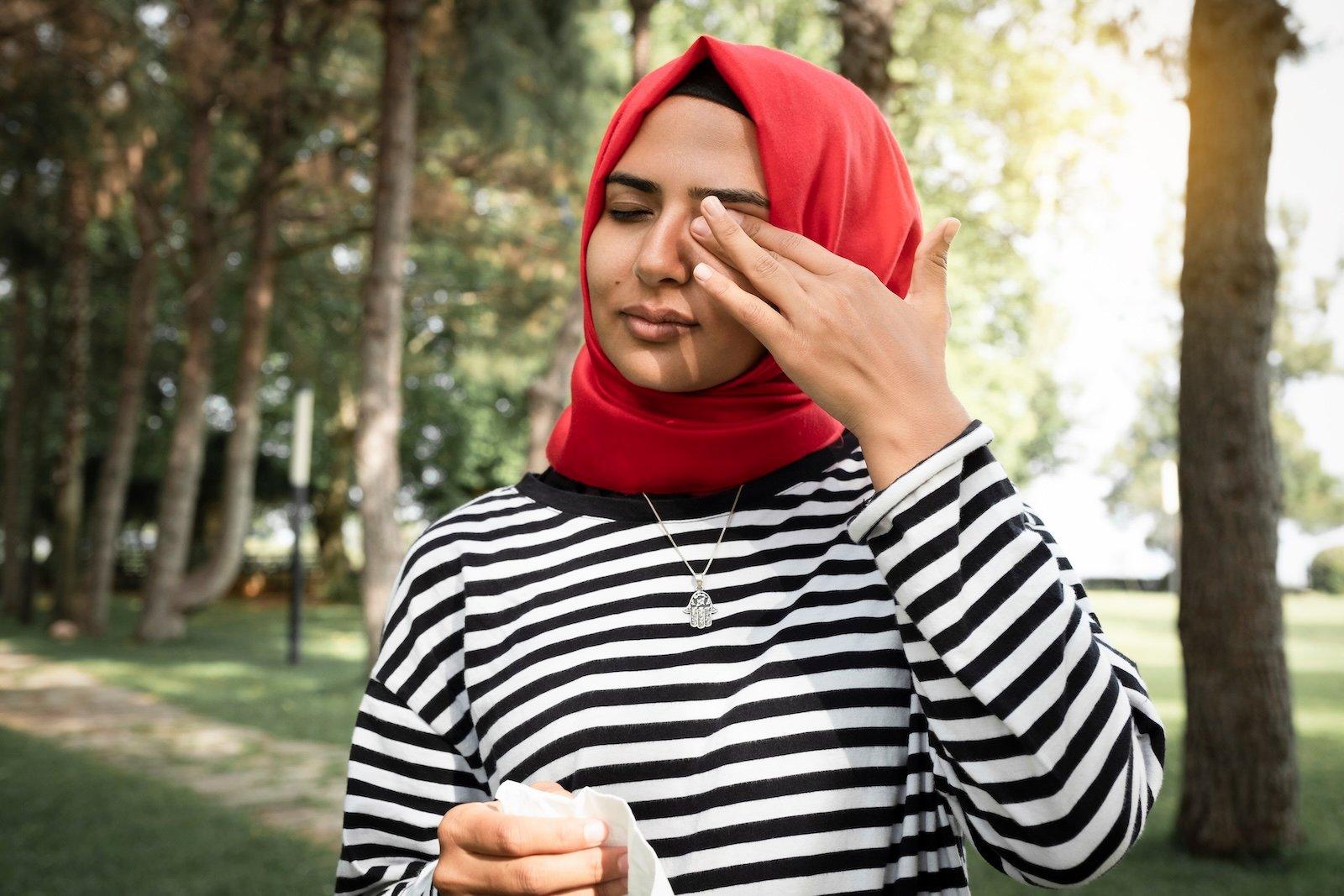

Hay fever is an allergic reaction that happens when a sufferer's immune system comes into contact with & reacts to allergens that are present in the air.
At Boots, we have advice & products to help you manage hay fever.
Hay fever can develop at any age; however, it usually starts in childhood or as a teenager. If you have hay fever and you come into contact with any allergens which include pollen, house dust mites, mould spores or pet dander, your immune system may react and release a chemical called histamine which causes symptoms.
Common hay fever symptoms may include:
Some less common symptoms that people experience are:
People with hay fever and asthma might also have the following symptoms:
People with a family history of allergies like asthma or eczema are more likely to develop hay fever. Having hay fever can also make your asthma symptoms worse. If this happens to you, make sure to speak to your GP – especially if your asthma treatments aren’t helping with your symptoms.
Hay fever typically happens when allergens like pollen come into contact with your mouth, nose, eyes and throat. It's very common & affects up to 1 in 5 people at some point. You might also hear of it being called allergic rhinitis.
Pollen is a powder that’s released by plants to help them reproduce. It contains proteins that, when inhaled or blinked in, can irritate the nose, eyes and throat.
You can have an allergy to different types of pollen, including:
Different types of pollen can affect different people at different times of the year. Take a look at our summer allergy calendar to see what pollen could be causing your symptoms.


Tree pollen season is in full swing, with birch, ash and oak at their pollen-releasing peak


Mugwort pollen tends to peak in the first week of August, with the grass pollen season tapering off now. There can be an increase in mould spores as a result of harvesting.


Now is typically the beginning of grass pollen season, along with dock and oil seed rape.

Oil seed rape season comes to an end, while grass pollen continues its peak. Mugwort pollen season also starts.

Grass and nettle pollens peak now. Grass pollen is the most common trigger of hay fever, so check the pollen count regularly.
Most hay fever medicines aren’t suitable for use if you’re pregnant. It’s important to try preventative measures to manage your symptoms. You can learn more about these in the ‘preventing hay fever’ section of the page.
We’ve also put together a handy guide for managing hay fever in pregnancy.
Babies and children can also develop hay fever. Their symptoms can be like adults, but sometimes their symptoms can be missed as they are similar to many viral infections. It can also be difficult to know if your baby or child has hay fever, as they’ll be unable to let you know what they are feeling if they can’t speak.
The most effective treatments for most people (including babies and children) with hay fever are antihistamines. Not all antihistamines are suitable for younger children, so it’s important to speak to your pharmacist for advice if you aren’t sure.
Take a look at our article on hay fever in babies and children to learn more.
Although there isn’t currently a cure for hay fever, most people’s symptoms can be eased with treatments that help to reduce the effect of histamine in the body. If you aren’t sure on what hay fever treatments are suitable for you, speak to a pharmacist and they can advise you.
Antihistamines can be used to help manage mild hay fever symptoms by helping to prevent an allergic response. Antihistamines can be bought over-the-counter as liquids and tablets and there are different types available for both adults and children.
It’s important to read the label on any antihistamines you take. If you feel drowsy after taking antihistamines, make sure to avoid driving or using any machines.
Steroid nasal sprays can be used to help with symptoms like sneezing or a blocked, stuffy or runny nose. They work by helping to reduce inflammation, however, they’re only suitable for people who are over 18.
Steroid nasal sprays have to be taken regularly and, in some cases, it can take up to a week before you notice an improvement in your symptoms. Some steroid nasal sprays are available over-the-counter, so if you’re unsure on what to use, make sure to speak to a pharmacist.
Decongestant nasal sprays can help if you have a blocked nose. They’re usually fast-acting but they should only be used for the short term.
You can also buy decongestants as tablets, but they aren’t always compatible with other health conditions. If you have high blood pressure or diabetes, you should avoid taking decongestant tablets. If you aren’t sure if they’re suitable for you, make sure to speak to a pharmacist.
If you have itchy eyes, eye drops can help. There are hay fever relief eye drops available that have been formulated to help ease itching, soreness, watering and redness. These normally contain an ingredient called sodium cromoglicate. For eye drops to be effective, you need to use them regularly. If your symptoms aren’t improving, make sure to speak to a GP or pharmacist.
If your symptoms get worse or don’t improve after trying to treat it, you’ll need to speak to your GP.
Your GP might prescribe a steroid treatment or refer you for immunotherapy if other treatments don’t work.
You can also try the Boots Online Doctor Hayfever Treatment service2 if you suffer from hay fever or have a year-round allergy. You can access advice and treatment to help relieve your symptoms.
Helps relieve symptoms associated with hay fever including:
Fexofenadine Hydrochloride starts to relieve your symptoms within 1 hour and lasts for 24 hours
Helps relieve symptoms associated with hay fever including:
Use regularly
Helps relieve symptoms associated with mould spore allergies including:
While hay fever symptoms can affect your day-to-day life (particularly when pollen counts are high), help is at hand. Whether that’s finding ways to limit your exposure to pollen or considering over-the-counter medicines for hay fever, pop into your local Boots to chat through the options with a pharmacist.